
"Chinese coffee market"
4000 article(s) found

The position of Chinese coffee in the world is becoming more and more important.
The domestic demand for coffee is increasing. In recent years, the world coffee giants continue to aim at the Chinese market, and Chinese local coffee brands have also begun to rise to produce coffee products such as instant powder, bottled coffee, freshly ground coffee and so on. However, domestic coffee is far from enough to meet the domestic market with huge consumption space in the future, and China still needs to import a large amount of coffee from abroad.

The import tariff of coffee in the Chinese market is 15% and the VAT on the import link is 17%.
Customs value is: (factory ex-factory freight) x1.15 x 1.17 delivery price is: customs value x1.03, but the above price does not include the following fees. 1) Application fee for Chinese label. (dealers can apply for Chinese labels from the Commodity Inspection Bureau or entrust this website to apply) 2) Shanghai Port extra fees and customs, three inspection fees, inspection fees: refers to shipping: dredging fee,

Chinese coffee shops join in brand development points
In China, for the growing coffee shop to join the market, it is very important to form a Chinese coffee shop brand. Many powerful coffee brands in China are well aware of this and devote themselves to the cause of coffee shop franchise while focusing on being a coffee brand, so as to create more benefits for franchisees who have ideas to start their own businesses. Many people are saying that among so many foreign trade products

An online celebrity coffee shop has been fined 25000 yuan for using coffee beans without legal sources.
Recently, the Market Supervision Bureau of Yuecheng District of Shaoxing City has investigated and dealt with the illegal act of selling and using imported coffee beans without legal sources in an online celebrity coffee shop. According to the Shaoxing Evening News, when the Market Supervision Bureau of Yuecheng District of Shaoxing City conducted a law enforcement inspection of an online celebrity coffee shop according to clues, it found that the "ETHI" being used by the coffee shop

How is the coffee market in China? That's what the foreign media said.
Communication of professional baristas Please pay attention to Coffee Workshop (Wechat official account cafe_style) Coffee started relatively late in China. In the early days, only high consumers or returnees were interested in going to the cafe for a drink, but with the passage of time, the domestic coffee market has undergone earth-shaking changes. As an important part of the world coffee market, China has attracted the attention of foreign media.

Interpretation of luxury CAFFE PASCUCCI in Coffee Industry from Xing Dad's failure in Italy
Core hint: the 134-year-old Italian coffee brand CAFFE PASCUCCI has quietly completed the strategic layout of Beijing, Shanghai, Guangzhou and Shenzhen in the Chinese market. On the last day of February 2016, Starbucks announced that it would open its first store in Milan, the capital of Italy, the country of origin of Italian coffee, in early 2017. Released along with the statement, sometimes Starbucks CEO Howard Schultz station

Research on Market Evaluation and Investment Planning of China's Coffee and Beverage Industry from 2016 to 2020
The "Research report on Market Evaluation and Investment Planning recommendations of China's Coffee and Beverage Industry from 2016 to 2020" released by Booz data introduces the relevant overview of the coffee and beverage industry, the operating environment of China's coffee and beverage industry, and analyzes the current situation of China's coffee and beverage industry, the competition pattern of China's coffee and beverage industry, and the operation of key enterprises in China's coffee and beverage industry.
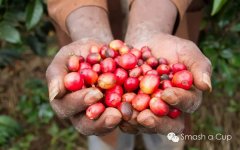
The promotion of African coffee in Chinese market is insufficient.
Focusing on China's growing coffee market, international coffee chains have rushed to China. One coffee chain, for example, has expanded its Chinese mainland coffee chain from one to hundreds in just a decade, and plans to triple its stores in China in the next five years. Long history of coffee cultivation, high-quality and inexpensive coffee products, unique

What does Chinese Coffee Market need?
The development of the coffee market is inseparable from economic development, and only economic powers can have the prosperity of the coffee market. The coffee market in most Asian countries is an elite road, that is, the road of white-collar workers, and most people seldom enter cafes. Only those with a substantial economy will enter the cafe without a deep mass base.

The slow way of African Coffee entering China
Coffee originated in Africa and little is known about it. In fact, Africa Ethiopia is the hometown of coffee, producing the best Arabian coffee in the world. Soil, climatic conditions and an altitude of more than 2000 meters above sea level have enabled many African countries to create an ideal environment for the growth of coffee. At present, coffee production in Africa accounts for about 13% of the world's total output, and coffee income is accounted for by some African countries.

Why Starbucks is optimistic about the Chinese and Indian markets
Howard Schultz, chief executive of the Starbucks coffee chain, said Starbucks' business in China has the potential to surpass that of the United States. Starbucks announced on the 26th that it plans to open its first international Starbucks boutique bakery in Shanghai, China, in 2017. American Consumer News and Business Channel (CNBC) quoted Schultz as saying that if one day, the number of Starbucks stores in China

Analysis of Chinese Coffee Market Nestle Starbucks Coffee Coffee Brand instant coffee
The heating up of China's coffee market stems from a certain demand space. According to the survey, the main consumers of coffee are urban workers. This part of the consumer group is also the leader of social fashion, they are interested in foreign food culture and easy to accept. In terms of economic strength, they can also afford this part of the cost. With the consumption of coffee, coffee culture came into being, and coffee

Do Chinese black teahouses compete for Starbucks coffee? She takes the line of citizenization that ordinary people can afford.
A friend pulls out a slap-sized gold box from his suit pocket, not to hand over cigarettes, but to take out a small chocolate-shaped tea brick to invite you to taste black tea. This scene has just been staged in Quanzhou recently. This is a portable outfit launched by Chen Anne, the founder of Fujian, to accelerate the spread of black tea culture. Since opening the first Western-style black tea house in Fujian, she has been working towards the entrepreneurial dream of Starbucks in black tea.

The promotion of African coffee in Chinese market is insufficient.
Focusing on China's growing coffee market, international coffee chains have rushed to China. One coffee chain, for example, has expanded its Chinese mainland coffee chain from one to hundreds in just a decade, and plans to triple its stores in China in the next five years. Long history of coffee cultivation, high-quality and inexpensive coffee products, unique
Chinese style and Cafe in China's Coffee Market
Not long ago, it was reported that some operators had incorporated Chinese elements into the operation of cafes. I looked at some of the photos on the Internet and found that the cafe had been moved into a house similar to a courtyard house, which also used a lot of ancient Chinese furniture. The overall feeling is naturally antique, rich and elegant; however, only that, can it present the Chinese style coffee?

Coffee Journey to Africa Coffee's slow Journey to China
Coffee originated in Africa and little is known about it. In fact, Africa Ethiopia is the hometown of coffee, producing the best Arabian coffee in the world. Soil, climatic conditions and an altitude of more than 2000 meters above sea level have enabled many African countries to create an ideal environment for the growth of coffee. At present, coffee production in Africa accounts for about 13% of the world's total output, and coffee income is accounted for by some African countries.
Development of ILLY Coffee in China
Grinding illy we only need (Starbucks) 3 to 5% of the market, and that's a lot. Zhang Guojun, general manager of Italy's illy Group in China, told Global Entrepreneur. Of course, he was talking about the expectations of the illy coffee brand for the Chinese market. Don't simply treat illy and Starbucks as competitors that are completely different from the world's largest American coffee shop chain.

Exploding the three factions of Chinese cafes
At present, China's per capita coffee consumption is 5 cups per year, which is far lower than that of Japan and South Korea, with an average of about 300 cups per person per year. However, coffee consumption in China continues to grow at an annual rate of 15% to 20%, making it the world's most potential coffee consumer. In the current Chinese market, there are three forces active in China, Europe and the United States, and they are using

The present situation and Development trend of China's Coffee Industry in 2019 _ the Development Prospect of Coffee Industry is really so Great
Professional coffee knowledge exchange more coffee bean information please follow Coffee Workshop (Wechat official account cafe_style) Coffee, as a traditional Western drink, has a long history and cultural heritage. The world consumes at least 400 billion cups of coffee every year, and the current annual global coffee consumption is about 10 million tons. Coffee is the first of the two largest drinks in the world, and it is also the number one except oil in the world.